Facebook
 X
X
 Pinterest
 Copy Link
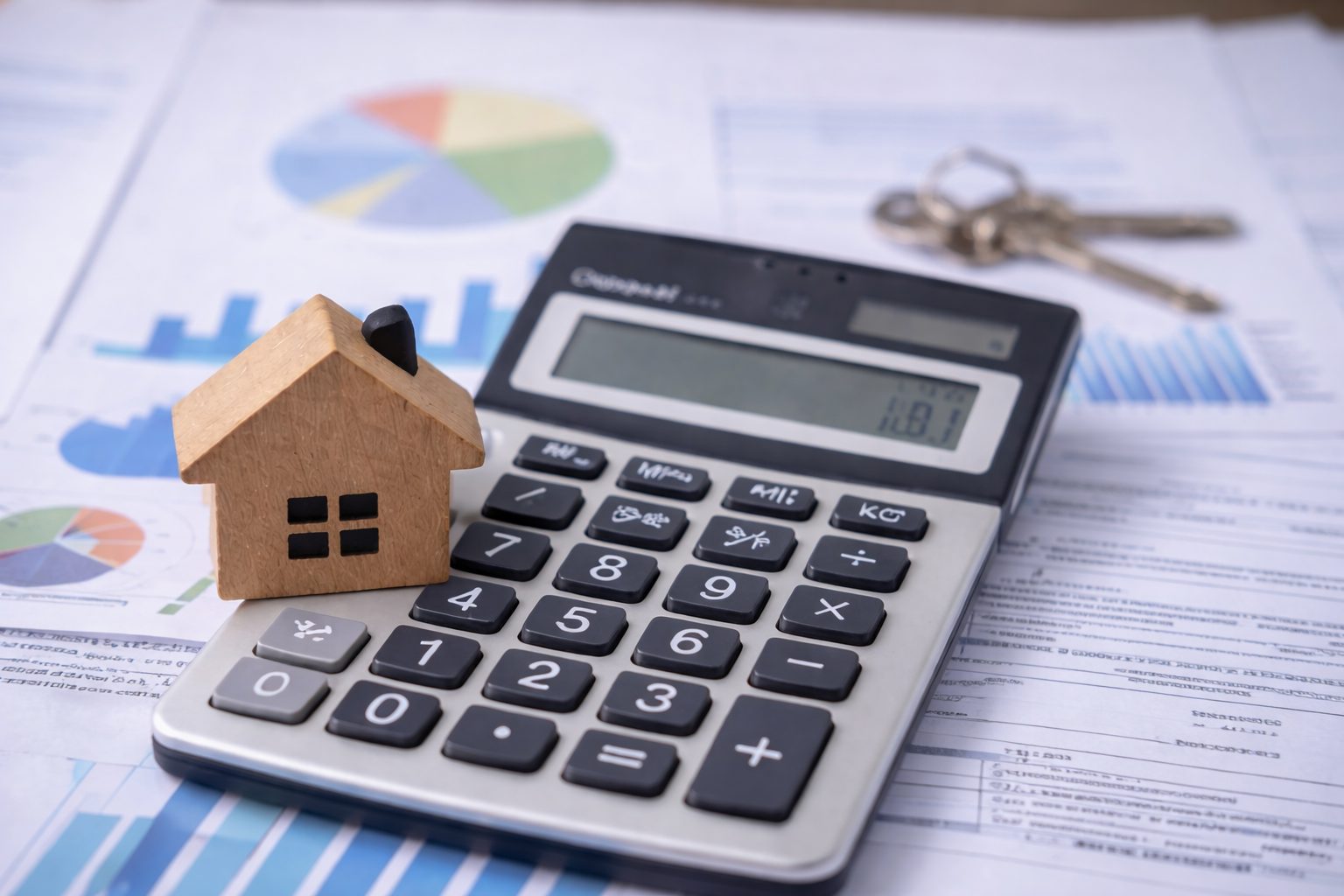
One of the first questions buyers ask when beginning the home search process is how much house they can afford. While lenders determine how much you may qualify to borrow, true affordability is about more than loan approval. It involves choosing a payment that fits comfortably within your budget, supports your lifestyle, and allows you to maintain financial confidence over time.
Understanding this distinction helps buyers avoid unnecessary stress and focus on homes that align with both their financial goals and long term plans.
Lender Approval Versus Personal Comfort
Mortgage lenders evaluate affordability using factors such as income, existing debt, credit history, and lending guidelines. The resulting approval amount represents the maximum loan size you may qualify for, not necessarily the amount you should spend.
Personal comfort depends on how the monthly payment fits alongside other financial priorities, including:
- Savings and emergency reserves
- Retirement contributions
- Education expenses
- Travel or lifestyle goals
- Everyday living costs
Many buyers benefit from establishing a target budget that is lower than their maximum approval to maintain flexibility and financial stability.
Understanding the Full Monthly Cost of Homeownership
Buyers often focus primarily on the purchase price, but the true monthly cost of owning a home includes several components beyond the mortgage itself:
- Principal and interest payments
- Property taxes
- Homeowners insurance
- Mortgage insurance if applicable
- Homeowners association fees when relevant
- Utilities and maintenance costs
- Future repair or replacement expenses
Considering the full financial picture provides a more accurate understanding of affordability and prevents surprises after closing.
How Lifestyle and Long Term Plans Affect Affordability
Affordability is highly personal and should reflect your broader financial goals. Factors such as career plans, family growth, lifestyle priorities, and future expenses all influence what price range makes the most sense.
Buyers who maintain some financial cushion often feel more comfortable navigating unexpected costs or future market changes. A home should enhance your lifestyle rather than create financial strain.
The Impact of Interest Rates on Purchasing Power
Interest rates play a significant role in determining affordability. Higher rates increase borrowing costs and monthly payments, which can reduce purchasing power. Lower rates improve affordability by lowering the cost of financing.
This is why buyers with similar incomes may qualify for different price ranges depending on market conditions at the time they purchase. Understanding how rates influence purchasing power helps buyers set realistic expectations.
Local Market Considerations in Greater Hartford
Here in the Greater Hartford area, including communities such as West Hartford and South Windsor, affordability varies significantly depending on neighborhood, inventory levels, and price range. Some locations offer greater flexibility for buyers at certain price points, while others require more careful budgeting.
Identifying where opportunities exist locally can make the home search more efficient and less frustrating.
For a more detailed explanation, you can read the full article here:
https://www.burkemoves.com/how-much-house-can-i-afford/
Steps Buyers Can Take to Determine Affordability
Before beginning the home search, buyers often benefit from taking several practical steps:
- Reviewing income and monthly expenses
- Estimating total housing costs beyond the mortgage
- Obtaining mortgage pre approval
- Establishing a comfortable payment range
- Considering long term financial goals
- Exploring different towns and price points
This preparation provides clarity and confidence during the buying process.
Common Questions About Affordability
How much house can I afford based on my income?
Lenders use debt to income ratios to determine approval amounts, but personal comfort depends on your overall financial picture.
Should I spend the maximum amount I am approved for?
Not necessarily. Many buyers choose a lower price point to maintain flexibility and reduce financial stress.
Does a larger down payment help?
Yes. A larger down payment can reduce monthly payments, improve loan terms, and increase purchasing power.
Final Perspective
The best approach to affordability is focusing on what allows you to live comfortably and confidently rather than pursuing the highest possible purchase price. A home should support your lifestyle and long term financial goals.
If you are considering buying in the Greater Hartford area and want guidance on affordability and available options, a professional conversation can help you determine a price range that aligns with your plans.